Score leads and accounts. Work the
ones that close
Predict conversion likelihood for leads, accounts, and opportunities, explain the drivers, and route the next best action to sales.
Predictive AI scoring learns from the signals and conversions in your own funnel to estimate which leads, accounts, and opportunities are most likely to create pipeline. RevSure's Context Layer connects the evidence behind every score and next best action, so sales can work the right list first.
From connected data to the next best move
A complete, governed view gives every team the same evidence before they act.
- 01
Connect the stack
Resolve CRM, marketing, ad, web, and engagement data into one context layer.
- 02
Model propensity
Train on conversion patterns while retaining your business rules and conditions.
- 03
Explain the score
Show the drivers that increase or reduce conversion likelihood.
- 04
Act on it
Deliver prioritized lists and next best actions to the right seller.
The signal is there. It is just disconnected
When teams work from fragmented data, important changes become visible only after the opportunity to act has passed.
Points never recalibrate
Manual rules drift as buyers, channels, and motions change.
MQL volume, not pipeline
Activity scoring promotes people who are busy instead of likely to convert.
A number with no reason
Sales cannot trust a score without the evidence behind it.
People scored, accounts ignored
Single-contact scores miss the buying-group signals at the account level.
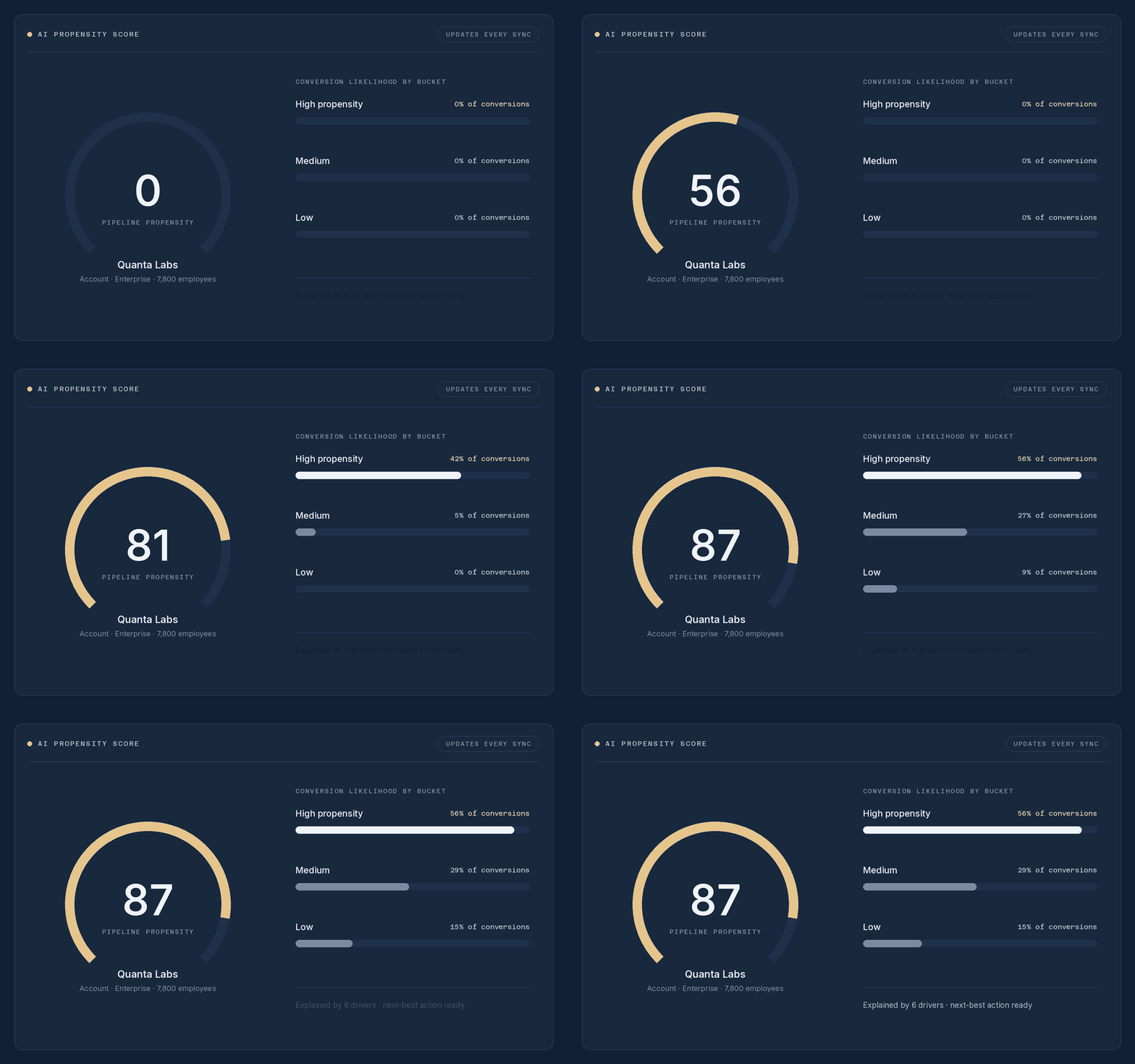
A conversion likelihood for every lead, account, and opportunity
Score people, accounts, and opportunities with a model trained on your historical funnel and updated as new signals arrive, so sales can prioritize with confidence.
- Separate models for leads, accounts, and opportunities
- Rule-based logic, sequential conditions, and default values you control
- High, medium, and low buckets calibrated to your pipeline
- Refreshes on every sync, with no manual re-scoring
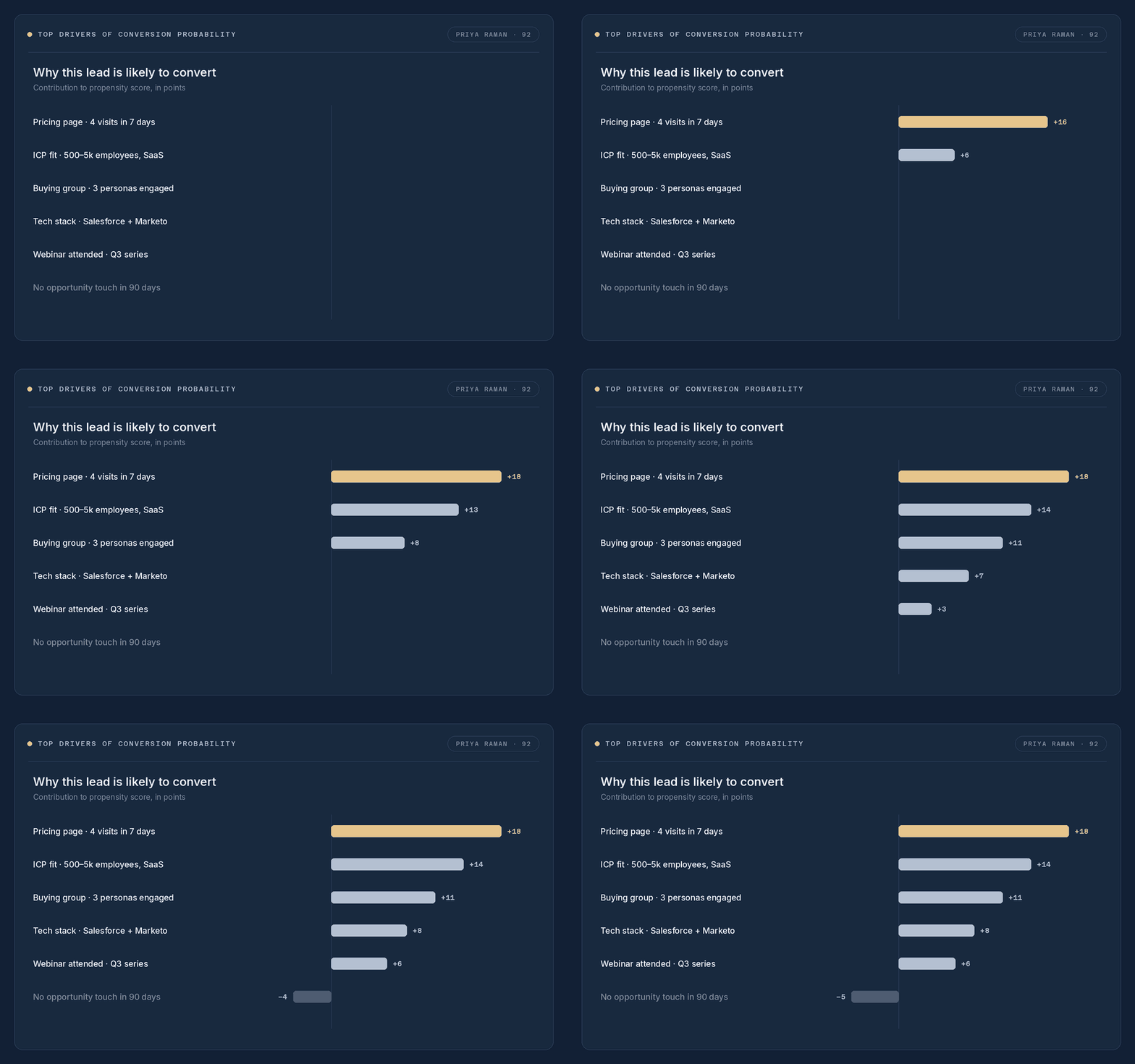
The why behind every score
Show the drivers behind a high or low score, so every recommended priority is grounded in signals your team can inspect, not a black-box number.
- Positive and negative drivers, weighted in points
- Firmographic, technographic, engagement, and stage signals
- Readable by reps, not just data scientists
- Risk signals surfaced before a deal stalls
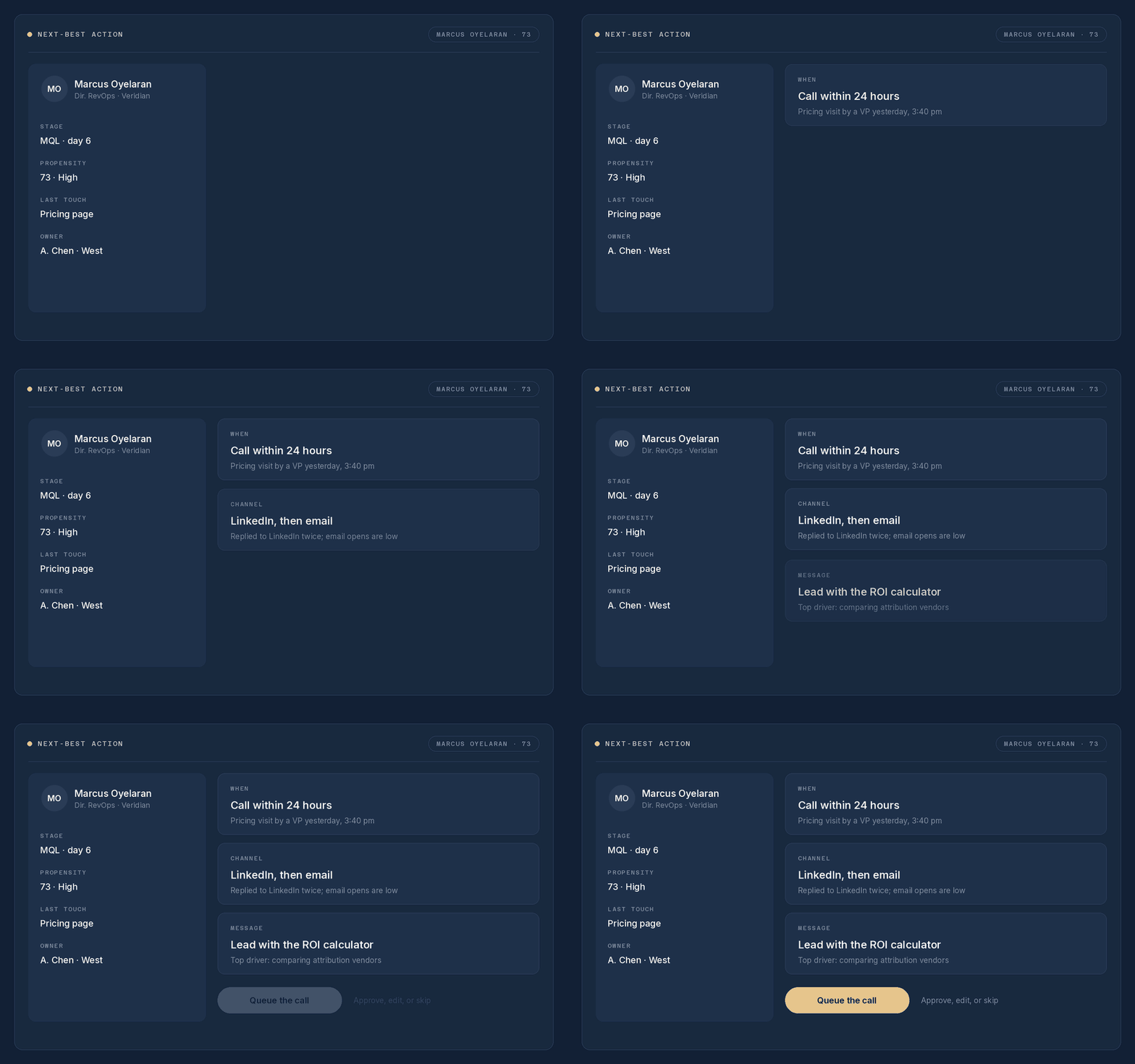
Know what to do next, not just who to call
Turn a propensity signal into a specific recommendation for timing, channel, and message while the signal is still current.
- Optimal follow-up timing from live engagement
- Recommended channel and engagement motion
- Message angle tied to the top driver
- Approve, edit, or skip before anything is sent
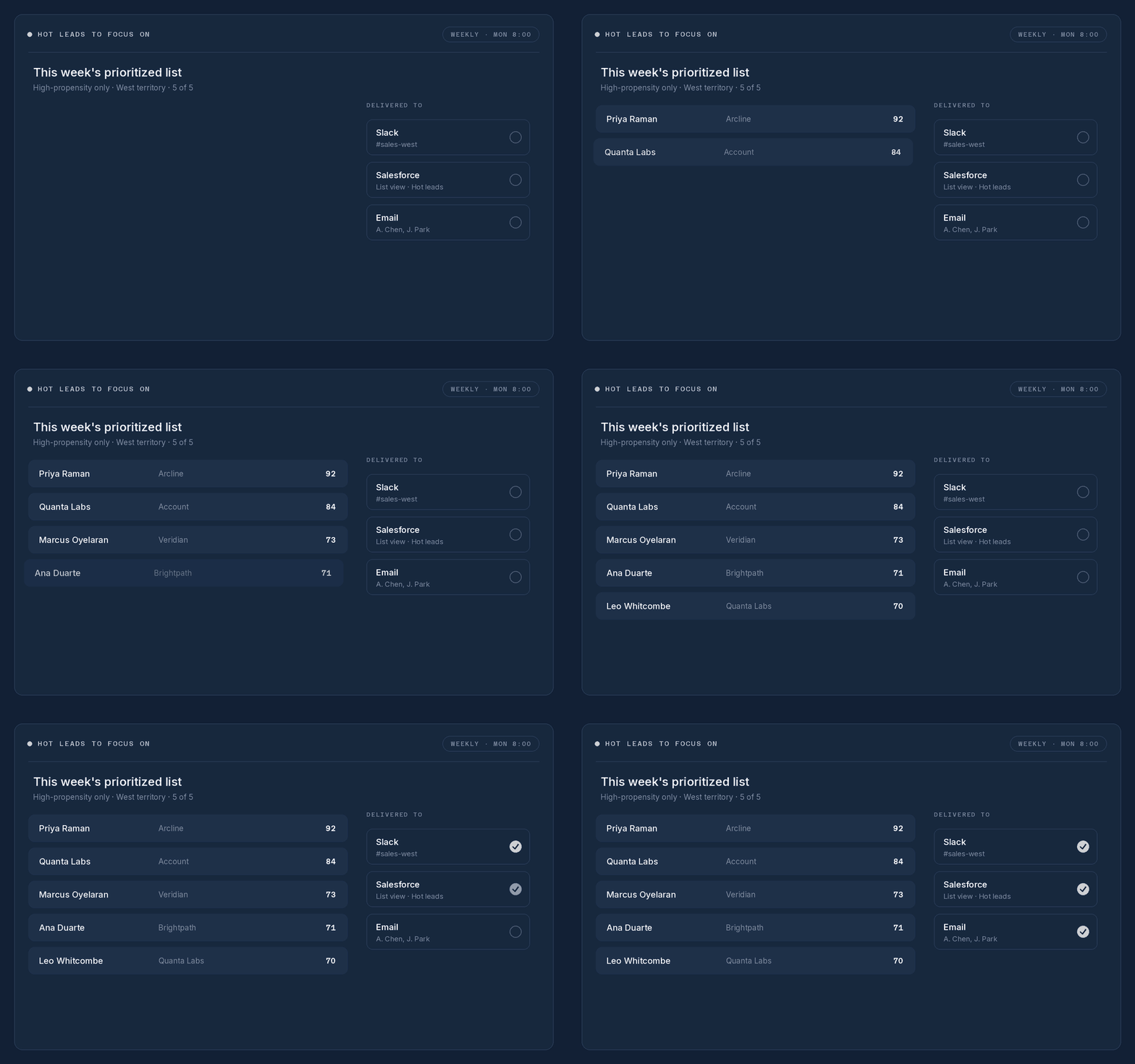
The right list, in sales' hands, on schedule
Deliver high-propensity leads and accounts to Slack, Salesforce, and email, filtered for the territory or motion that needs them, so sellers work fresh priorities.
- Daily, weekly, or monthly cadence
- Filtered by stage, territory, and propensity bucket
- Delivered to Slack, Salesforce, and email
- Always current, never a stale spreadsheet
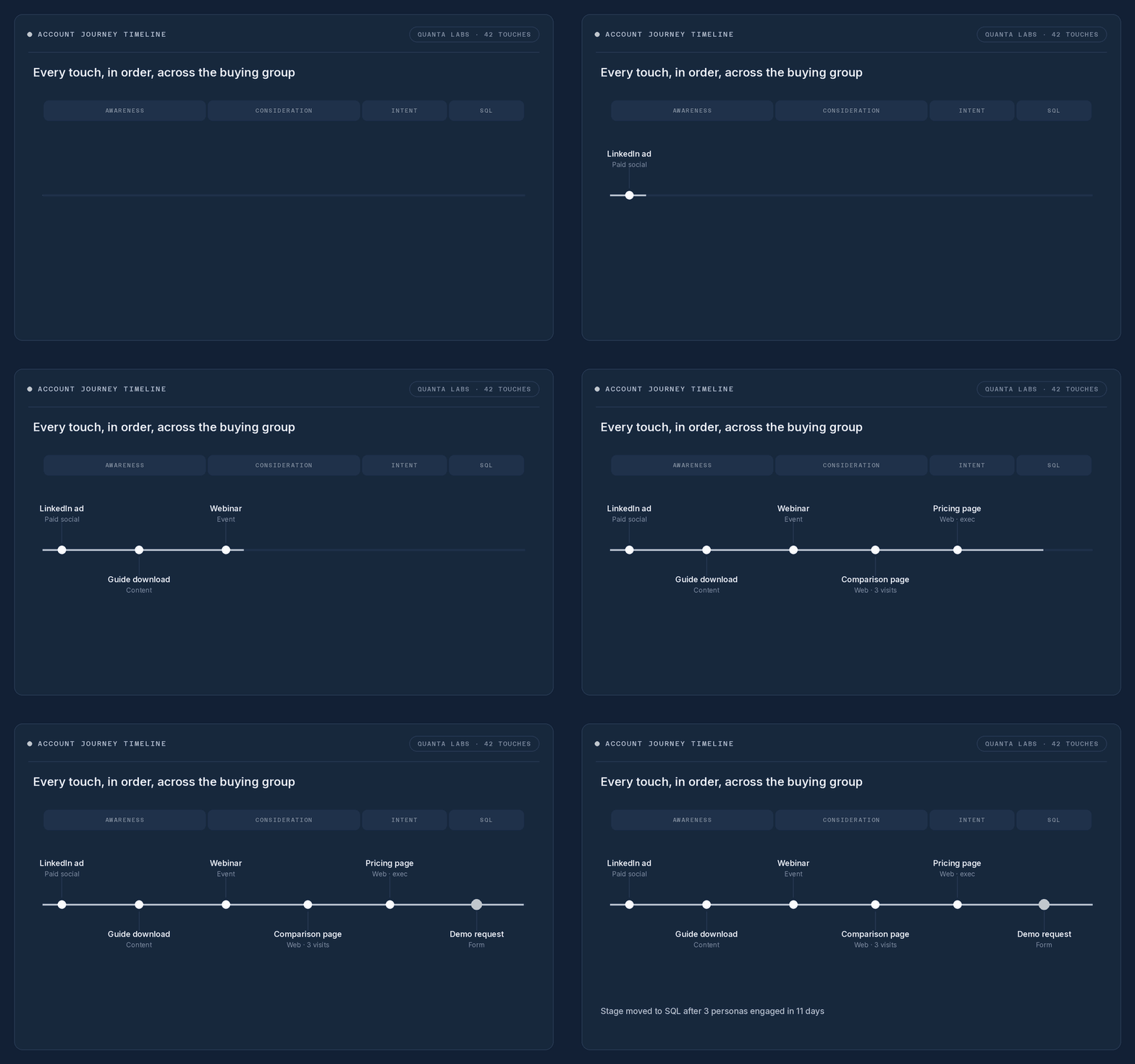
Every touch that moved the score, in order
Open the journey behind any score to see the interactions, milestones, and buying signals that increased its likelihood to convert and validate what changed.
- Campaign, web, event, and sales touches on one line
- Stage transitions marked where they happened
- Buying-group view across every contact at the account
- Built on cookieless, identity-resolved tracking
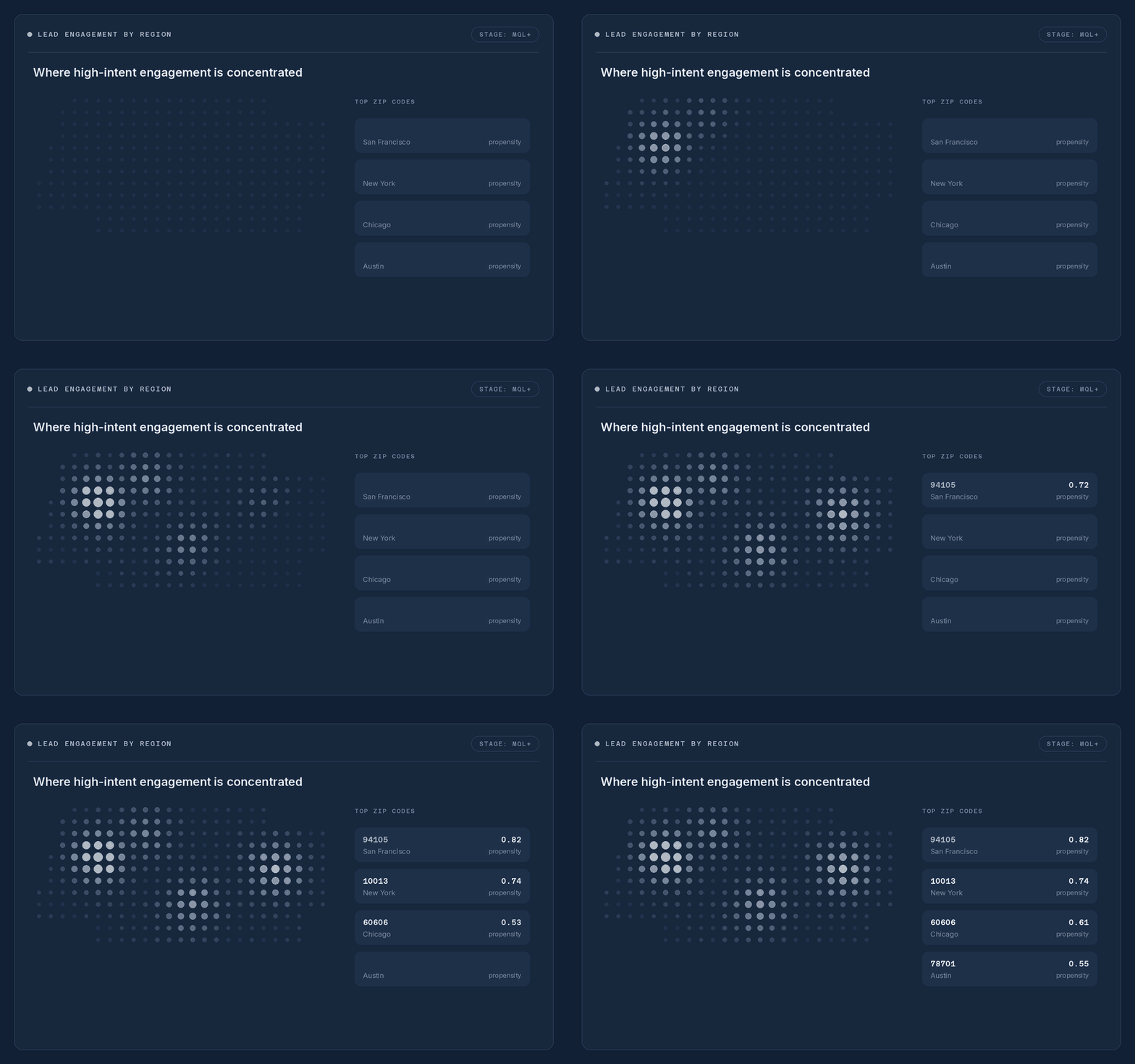
See where intent is concentrated, down to the ZIP
Find geographic pockets of high-propensity engagement and use them to focus sales coverage, field planning, and campaign investment.
- Filter by stage, territory, or location
- ZIP-level pipeline propensity and conversion probability
- Plan field events where revenue potential is highest
- Balance territories with real engagement data
Intelligence your team can actually use
One context layer
Every insight starts from the same resolved data across your GTM stack.
Evidence behind the answer
Each decision stays connected to the records, signals, and movement behind it.
Built to act
Insights reach the systems and owners who can turn them into better outcomes.
In production with revenue teams like yours
Questions, answered
What is predictive AI lead scoring?
Predictive AI lead scoring uses historical conversions and current signals to estimate how likely a lead is to become pipeline or revenue.
What is predictive account scoring?
Predictive account scoring combines contacts, engagement, fit, and buying-stage signals at the company level to identify accounts in an active buying cycle.
How is it different from rule-based scoring?
Rule-based scoring uses fixed weights. Predictive scoring learns weights from your actual conversions and updates as fresh data arrives.
Can sales see why a lead scored highly?
Yes. Every score surfaces its drivers and can include a recommended next best action for the sales team.
How do prioritized lists reach the sales team?
Teams can export lists on demand or schedule them for delivery to Slack, Salesforce list views, and email, filtered by stage, territory, and propensity.
How often are scores updated?
Scores update automatically with each data sync, so fresh activity is reflected without requiring a manual re-score.
Stop working the list top to bottom. Work it by who will close
Put conversion likelihood, evidence, and a next action in every seller's hands.