Designing Signal-Driven Outbound: From Enrichment to Adaptive Sequences
On this page
What was once a linear workflow built on predefined steps is evolving into a more dynamic model, where outbound execution adapts continuously based on enriched account data, engagement behavior, and shifting funnel context. This shift is enabling enterprise teams to deliver more precise messaging, optimize timing across touchpoints, and drive tighter coordination between marketing and sales.
However, more adaptive systems also introduce new complexity. As execution becomes more context-aware, challenges around data fidelity, orchestration design, and performance visibility become more pronounced.
Addressing these challenges requires a fundamental rethink of outbound architecture, not as a collection of isolated workflows, but as an integrated system built across tightly connected layers of data and execution.
In this issue of RevSure Horizons, we examine how B2B outbound is being re-architected, from static, sequence-driven execution to systems powered by real-time signals and contextual intelligence.
Forrester: Non-Linear Buying Demands Context-Driven Engagement
The shift toward signal-driven outbound is closely tied to how B2B buying itself is evolving. Forrester research indicates that a majority of B2B buyers now prefer self-directed, digital-first journeys, engaging across multiple channels before ever interacting with sales. This fundamentally breaks the assumptions behind linear outbound sequences and static campaign design, requiring teams to deliver messaging that adapts to where buyers are in their journey, not where systems assume they should be.
As a result, outbound systems must become more responsive to real-time signals and enriched context, enabling engagement that aligns with how buyers actually research, evaluate, and decide.
Gartner: The Emergence of Multiagent and Intelligent GTM Systems
As buying behavior becomes more complex, the systems supporting GTM execution are also evolving.
Gartner’s 2026 strategic technology trends highlight the rise of multiagent systems, where modular AI agents collaborate to execute complex, multi-step tasks. These systems are designed not just to automate workflows, but to orchestrate actions across dynamic environments, enabling more adaptive and scalable execution models.
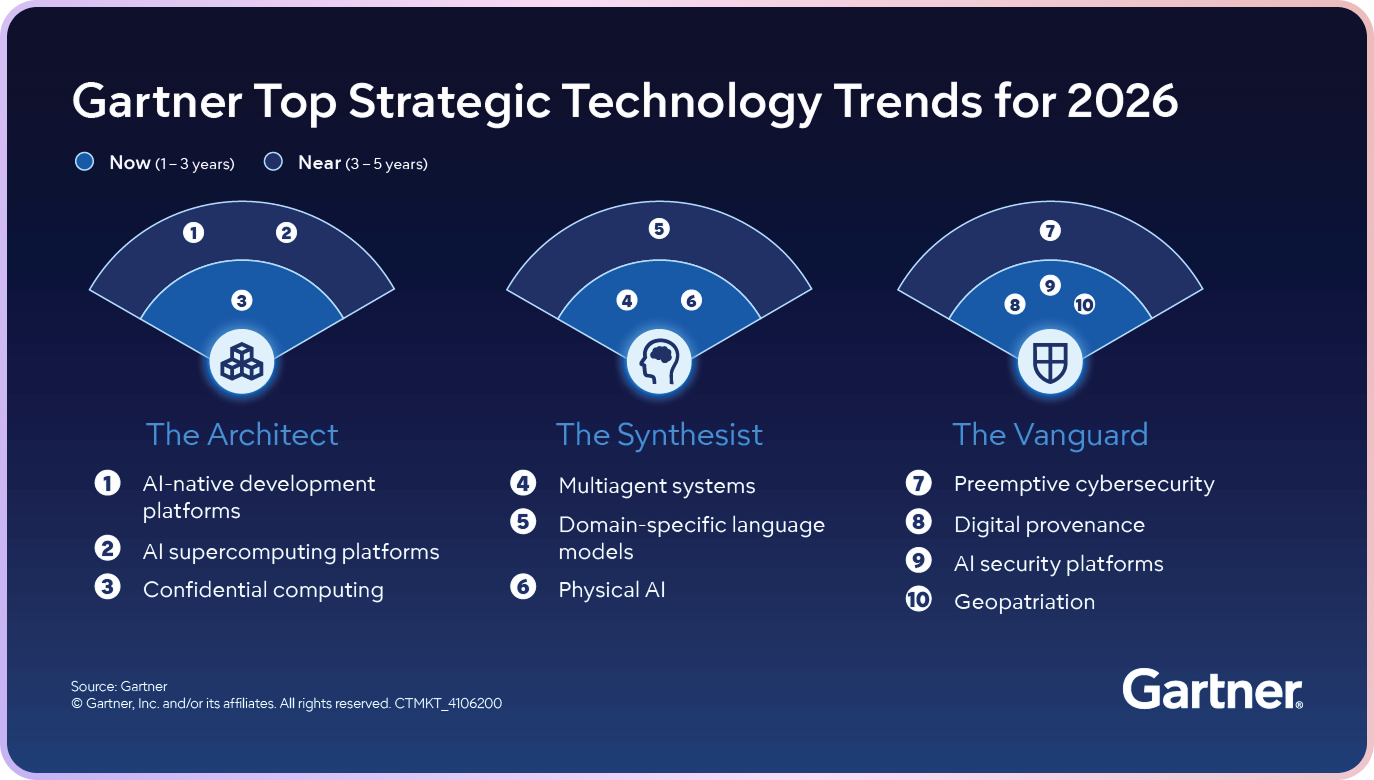
This reflects a broader shift toward intelligent system design, where execution is no longer driven by rigid rules, but by systems capable of interpreting context, coordinating actions, and continuously adapting to new inputs.
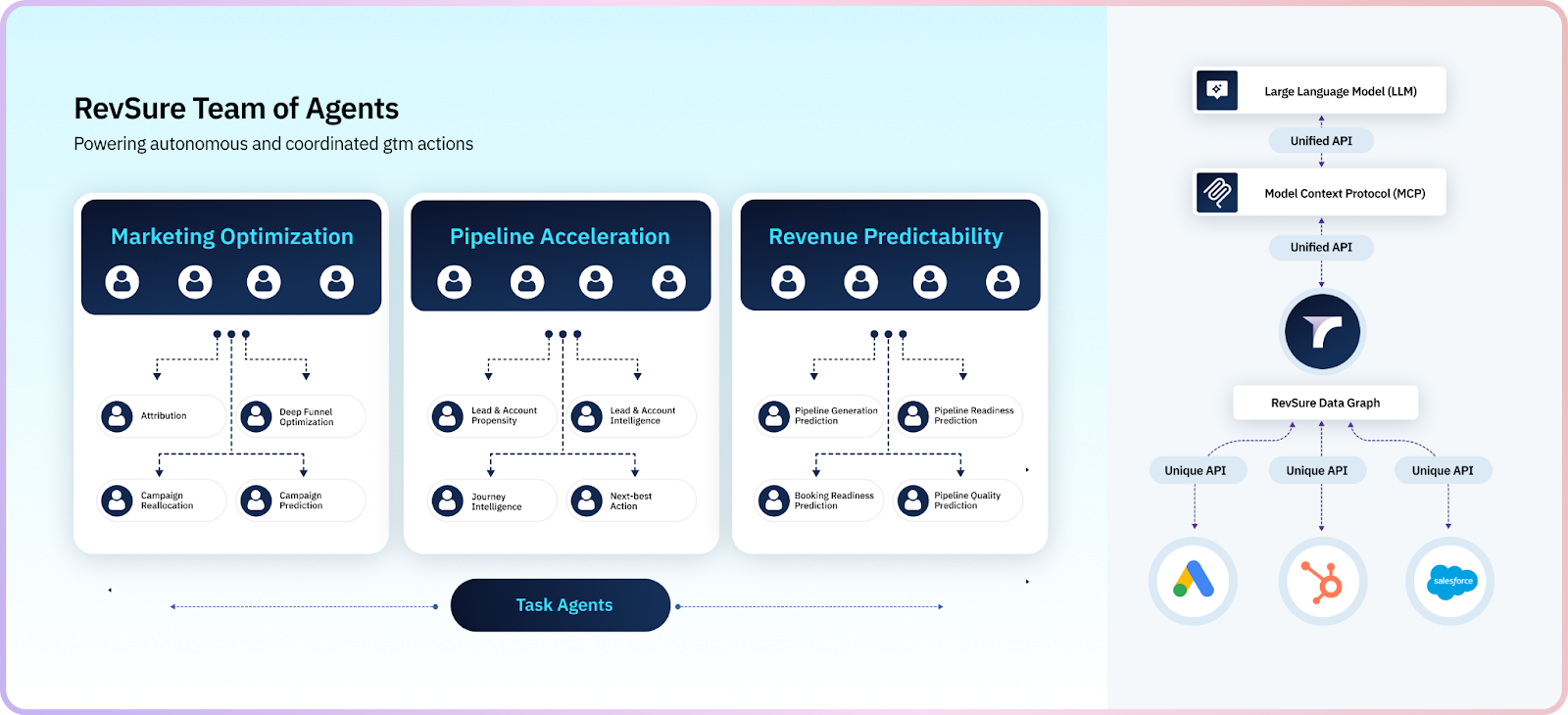
For GTM teams, this has direct implications. Outbound is moving beyond static automation toward models where multiple agents, across data, engagement, and analysis, work together to translate signals into coordinated execution.
Designing the Signal-Driven Outbound Stack
These shifts are not just conceptual; they require a different system design. To operationalize signal-driven outbound, leading GTM teams are moving toward more integrated architectures that tightly connect data and execution into a continuous system rather than discrete workflows.
1. Enrichment as a Continuous Data Layer
Signal-driven outbound begins with the ability to maintain a high-fidelity, continuously evolving view of accounts and contacts.
Rather than relying on static lists or one-time enrichment, teams are building pipelines that incorporate multiple data sources to improve coverage, accuracy, and context. This ensures that outbound systems operate on up-to-date intelligence, where targeting and messaging reflect the current state of the account, not a historical snapshot.
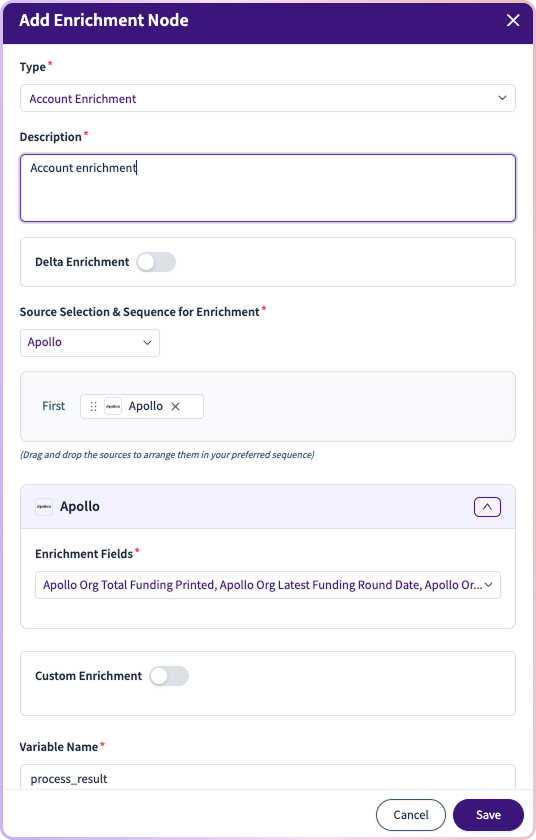
RevSure reflects this shift with the addition of Apollo as an enrichment source within its workflows and data enrichment configurations, enabling teams to extend their data foundation and bring more comprehensive account intelligence directly into execution systems.
2. Adaptive Sequence Design and Execution
Once enriched context is available, the next layer is execution.
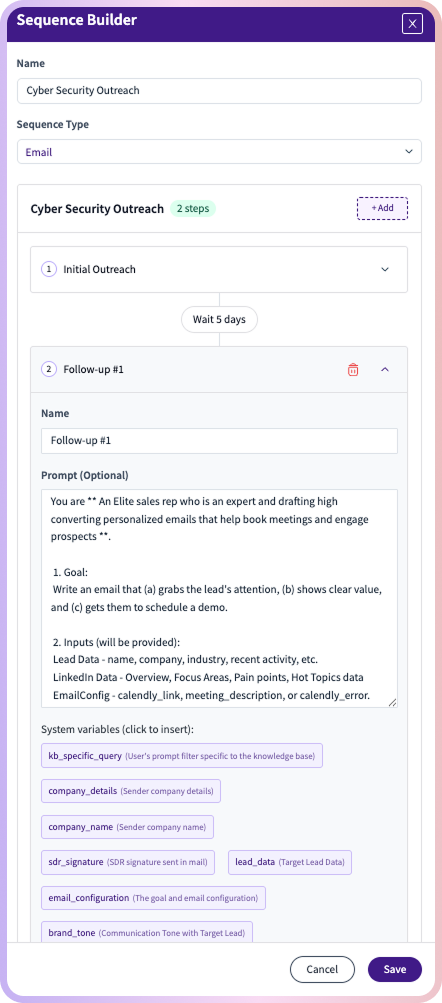
In a signal-driven model, sequences are no longer static assets. Instead, they are dynamically generated and continuously adjusted based on real-time inputs such as engagement signals, lifecycle stage, and account attributes.
This is where RevSure’s Email Agents come into play. Teams can generate multi-step email sequences from custom prompts, allowing outreach to be constructed using full-funnel context and engagement signals rather than predefined logic. While this capability is emerging across modern GTM platforms, RevSure brings it directly into workflow execution, enabling teams to operationalize adaptive sequencing in a way that is both scalable and context-aware.
From Workflows to Adaptive Systems
What’s emerging is not just a better outbound workflow, but a more cohesive system where data continuously informs execution, and execution continuously adapts to signals.
RevSure’s recent enhancements across enrichment and agentic workflows illustrate how this model is becoming operational, bringing together deeper data foundations and adaptive execution into a unified outbound approach.
As this shift continues, the advantage will come from systems that can not only automate tasks but also interpret context, adapt in real time, and continuously improve how teams engage across the funnel.
What This Means for GTM Leaders
Signal-driven outbound is not an incremental improvement to existing workflows; it represents a fundamental shift in how outbound systems are designed and operated.
For enterprise GTM teams, the implication is clear: scaling outbound is no longer about increasing activity, but about improving how systems interpret signals and translate them into action.
This requires a more deliberate approach to system design, where:
- Data is continuously enriched and operationalized into execution
- Execution is dynamically generated based on real-time context, not predefined rules
Organizations that invest in this model will be better positioned to deliver relevance at scale, align marketing and sales more effectively, and convert pipeline with greater efficiency.
RevSure Lens | Signals Don’t Drive Pipeline. Systems Do
While signal-driven outbound is becoming a clear industry direction, the challenge for most teams lies in operationalizing it- connecting signals, execution, and decision-making into a cohesive system. Most outbound teams already have access to signals: account engagement, product activity, and campaign interactions. However, signals alone do not drive outcomes unless systems can act on them in a coordinated and timely manner.
RevSure addresses this by creating a unified GTM context layer where signals are not only visible but also actionable. By enabling reasoning on top of that context, teams can move from static sequences to adaptive execution, where every action reflects real-time account behavior rather than predefined workflows.
On Demand | RevSure MCP + Claude for Cross-Functional GTM Analysis
GTM data is inherently fragmented across CRM, marketing automation, product analytics, and data warehouses, making cross-functional analysis both time-consuming and inconsistent.
This session demonstrates how RevSure’s MCP Server, combined with Claude, enables real-time reasoning on a unified, governed GTM data layer. Teams can run complex analysis using natural language, compare pipeline against closed-won patterns, surface risks and gaps, evaluate budget tradeoffs, and generate action-ready insights across sales, marketing, and product without relying on predefined reports.

Live Session | Operationalizing Campaign Re-allocation with RevSure MMX
Campaign performance rarely fails abruptly; it degrades over time through saturation, adstock effects, and shifting response curves.
In this session, Ram explores how RevSure’s MMX framework enables continuous, data-driven campaign re-allocation by quantifying incremental contribution and marginal ROI. Learn how to identify diminishing returns early, evaluate where the next dollar performs best, and simulate budget shifts across campaigns, channels, and segments before execution.
.jpg)
Closing Thought
The next generation of outbound will not be defined by how much activity teams can automate, but by how effectively their systems can interpret signals and translate them into action. In that world, pipeline is no longer driven by campaigns or sequences; it is driven by the systems that connect context to execution.